








When the sniffles start, a lot of people reach for the same handful of remedies. But one of the oldest sits in kitchens across the Middle East, South Asia, and North Africa: black seed oil, pressed from the tiny seeds of Nigella sativa. Known for centuries as the “seed of blessing,” it has been part of traditional wellness routines for well over a thousand years—and today it’s one of the most researched botanicals for everyday immune support.
This guide covers what black seed oil actually is, why people turn to it during cold and flu season, how to use it, and the question parents ask most: is it safe for kids? We’ll keep the claims honest and point you to where the science is still catching up to the tradition.
What is black seed oil?
Black seed oil comes from cold-pressing the seeds of Nigella sativa, a flowering plant native to South Asia and the Middle East. Its most studied active compound is thymoquinone, an antioxidant that researchers believe is responsible for much of the oil’s traditional reputation. The higher the thymoquinone content, the more potent the oil is generally considered to be.
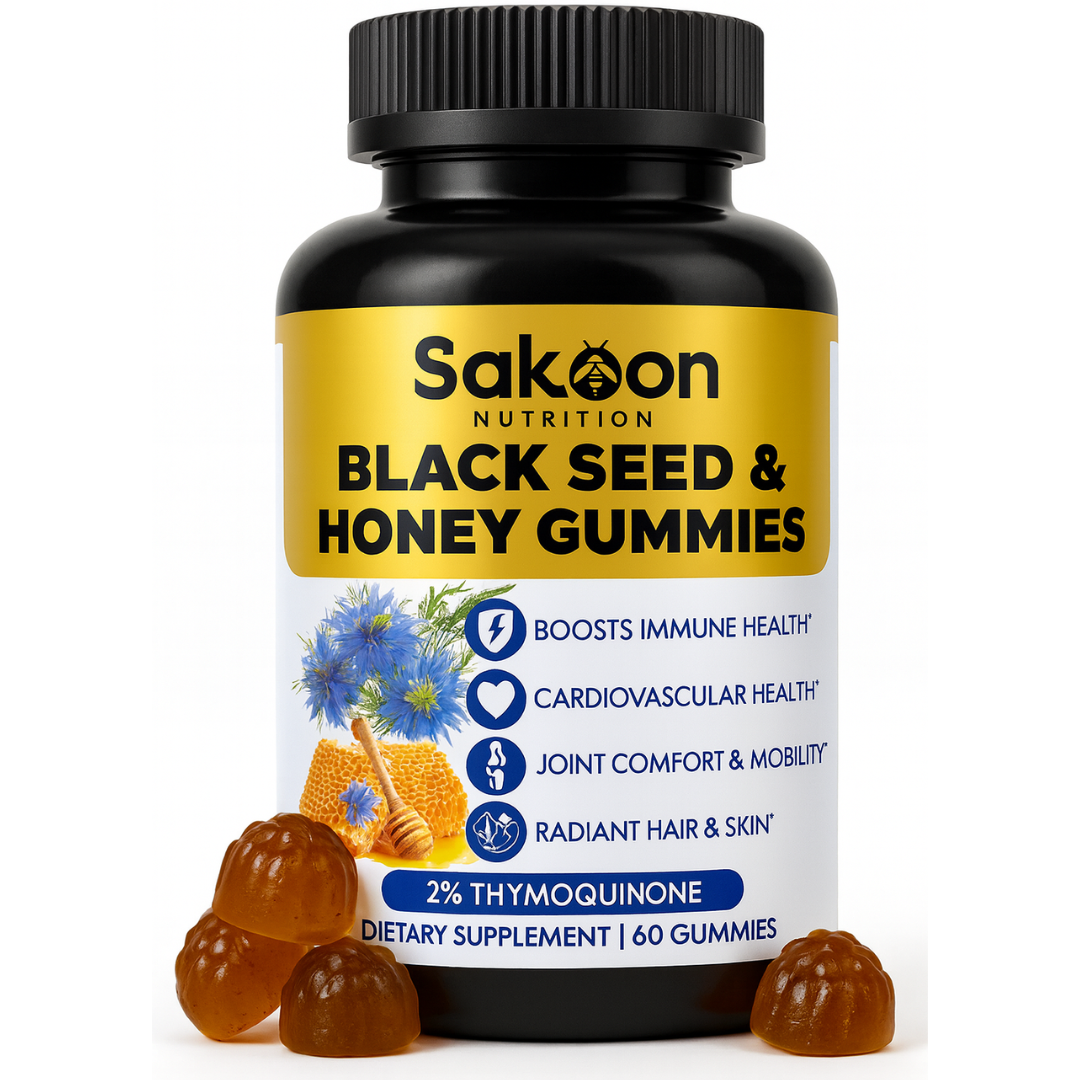
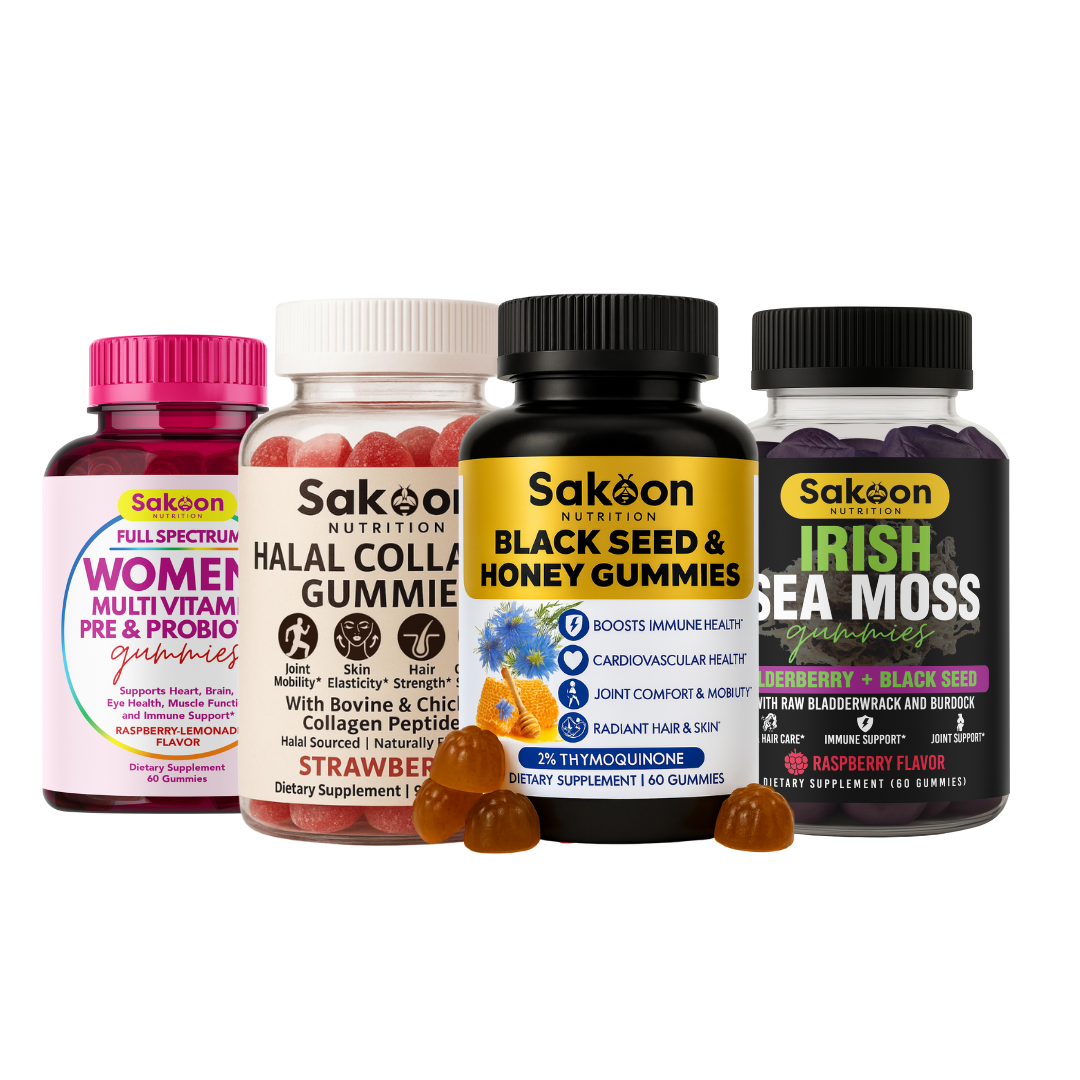
For thousands of years it has been used traditionally to support overall wellness—from digestion to skin to seasonal immune health. Modern interest has focused on its antioxidant properties, which is where the cold-and-flu-season conversation usually begins. Our Black Seed Oil & Honey Gummies are made with a high-thymoquinone black seed oil for exactly this kind of daily routine.
Why people use black seed oil for colds and flu
During cold and flu season, people traditionally turn to black seed oil for a few reasons:
- Antioxidant support. Thymoquinone is an antioxidant, and antioxidants help the body manage the oxidative stress that comes with everyday immune challenges.
- Traditional respiratory use. Across many cultures, black seed has long been used to support a comfortable, healthy respiratory system during the colder months.
- Daily immune routine. Many people use it not as a quick fix once they’re sick, but as part of a consistent daily routine through the season.
It’s worth being clear-eyed here: black seed oil is a traditional wellness supplement, not a treatment or cure for any illness. The research is promising in several areas but still developing, and a supplement works best alongside the basics—rest, fluids, and good nutrition—not instead of them.

How to use black seed oil for a cold
There are a few common ways people take it. The right one mostly comes down to taste tolerance and convenience.
- Gummies. The easiest and most palatable option—no strong taste, no measuring. A popular choice for people who find the raw oil too bitter, and for daily consistency.
- Capsules. A no-taste, pre-measured option if you prefer a traditional supplement format. Our Black Seed Oil & Manuka Honey Capsules pair black seed with manuka honey in a convenient capsule.
- Raw oil. Taken by the spoonful or stirred into warm water with honey. Most potent in flavor—and the most bitter. Some people warm it slightly or pair it with honey to make it easier to take.
A traditional favorite is black seed oil with honey, especially during the colder months—honey has its own long history of soothing use, and the combination is gentler on the palate than oil alone.
How much should you take?
There is no official recommended dose for black seed oil, and amounts used in studies vary widely. The sensible approach is to follow the serving size on the product label you’re using, start with the lower end, and stay consistent rather than taking large amounts occasionally. If you take medications or have a health condition, talk to your doctor first—more on that below.
Is black seed oil safe for kids?
This is one of the most common questions parents ask, so it deserves a direct answer: black seed oil has been used traditionally by families for generations, and kid-friendly gummy formats exist specifically for this reason. That said, children are not small adults when it comes to supplements.
- Use a product formulated for children rather than giving an adult dose of raw oil. Our Kids Black Seed & Elderberry Gummies are formulated with age-appropriate serving sizes.
- Talk to your pediatrician first, especially for younger children, or if your child takes any medication or has a health condition.
- Follow the label. Don’t improvise dosage for children based on adult guidance.
As a general rule, a supplement should complement—not replace—the guidance of your child’s healthcare provider.
What to look for in a black seed oil product
Not all black seed oil is created equal. If you’re shopping for one, a few things separate a quality product from the rest:
- Thymoquinone content. This is the active compound that matters most. Higher is generally better.
- Cold-pressed. Cold-pressing helps preserve the beneficial compounds that heat can degrade.
- Clean formulation. Look for no unnecessary fillers, and a format you’ll actually take consistently.
- Trusted manufacturing. Products made in GMP-certified facilities, third-party tested, give you more confidence in what’s on the label.
- Halal, if that matters to you. For many households this is essential—check whether the product and its gelatin source (if any) meet your standards.
The bottom line
Black seed oil is one of the most time-honored botanicals in traditional wellness, valued for its thymoquinone antioxidants and used for centuries to support everyday health through cold and flu season. The modern research is encouraging, even if it’s still catching up to the tradition. Used consistently, in a quality format you’ll actually stick with—and alongside good rest, hydration, and your doctor’s guidance—it can be a simple, traditional addition to your seasonal wellness routine.
Frequently asked questions
Can black seed oil cure a cold?
No. Black seed oil is a traditional wellness supplement, not a treatment or cure for colds, flu, or any illness. It’s used to support a healthy daily routine, not to replace rest, fluids, or medical care.
How do you take black seed oil for a cold?
The most popular options are gummies (easiest and best-tasting), capsules (no taste, pre-measured), or raw oil taken by the spoonful—often with honey to cut the bitterness. Follow the serving size on your product’s label and take it consistently.
Is black seed oil good for the flu?
Black seed oil is traditionally used during cold and flu season for its antioxidant support. It is not a flu treatment—if you have the flu, rest, fluids, and your doctor’s advice come first.
Can children take black seed oil?
Kid-friendly formats exist and families have used black seed traditionally for generations, but always use a product formulated for children and check with your pediatrician first—especially for younger kids or those on medication.
When should I take it—daily or only when sick?
Many people use black seed oil as part of a consistent daily routine through cold and flu season rather than only when symptoms appear. Consistency tends to matter more than dose size.
Who should avoid black seed oil?
If you’re pregnant or nursing, take prescription medication, or have a medical condition, talk to your healthcare provider before starting any new supplement, including black seed oil.
These statements have not been evaluated by the Food and Drug Administration. This product is not intended to diagnose, treat, cure, or prevent any disease. This article is for educational purposes and is not medical advice; consult your healthcare provider before starting any supplement.